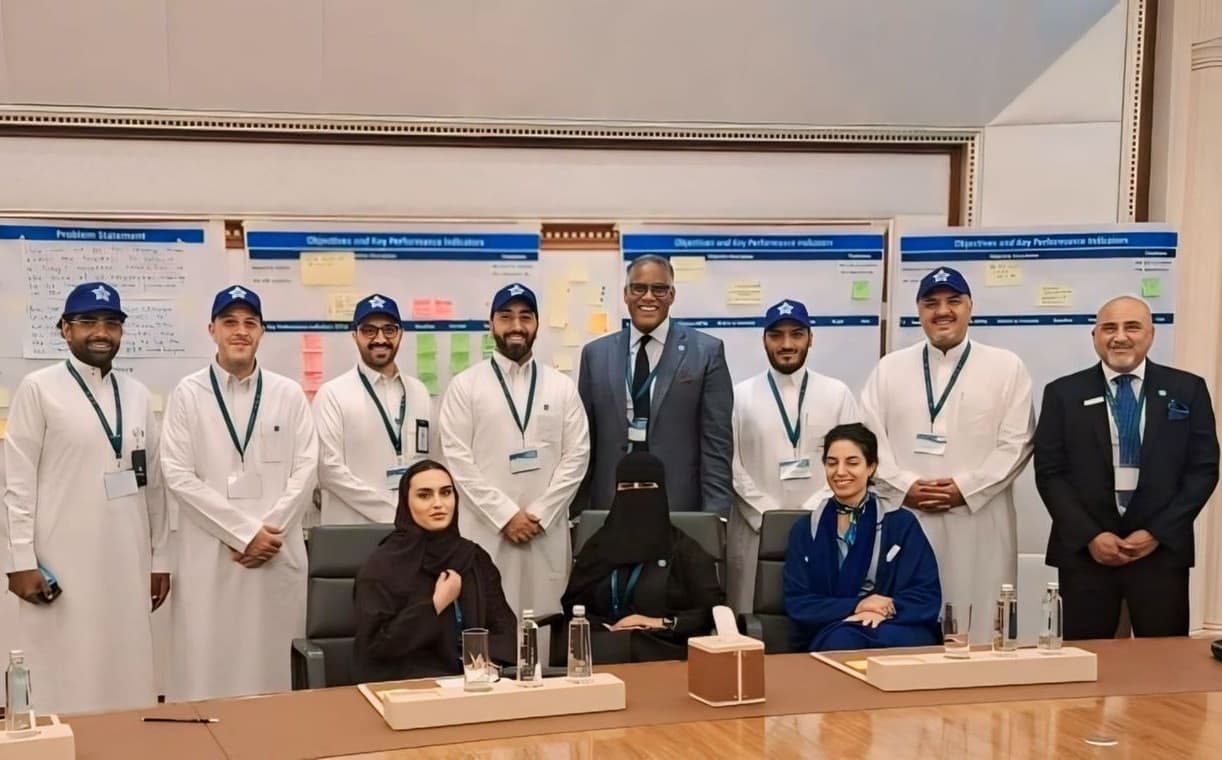
High performance does not come from effort alone. It comes from alignment.
One of the most under-emphasized responsibilities of senior leaders is building and maintaining an aligned leadership team—aligned not just relationally, but strategically and operationally.
A structured approach to navigating complexity, adapted to your unique organizational DNA.
Establishing what truly matters now—cutting through competing priorities to align the team on direction and key business outcomes.
Clarifying roles and decision rights so the team can move with speed and confidence, without constant re-litigation.
Building the conditions where team members can speak truth, challenge ideas, and take risks—while maintaining high standards and accountability.
Creating accountability structures that drive ownership and results without fear-based dynamics that undermine trust and performance.
Beyond structure and strategy, we focus on how each leadership team member shows up in the organization.
Leadership teams shape the organization more than any other group. They set the tone. That tone determines the pace and credibility of change.
Most team development work focuses on trust and collaboration in isolation. We integrate strategy, results, relationships, and decision-making—because teams do not fail due to lack of effort. They fail due to misalignment, mixed signals, and unspoken assumptions.
The result is a leadership team that can think together, decide together, and execute without friction—while modeling the culture the organization needs to become.
Yes. We've adapted our methodology for distributed contexts—focusing on intentional connection points and alignment protocols that work across time zones and locations.
Most team development focuses on trust and collaboration in isolation. We integrate strategy, results, relationships, and decision-making—because teams fail due to misalignment, mixed signals, and unspoken assumptions, not lack of effort.